Common Ground Flag
Common Ground Flag
Topic: Networking Strategies
Empowerment Lesson Video: Networking Strategies
Supplies:
- Thick white paper, such as card stock, at least 8.5x11 inches
- Basic art supplies such as markers, colored pencils, and crayons
Video Discussion:
Ask, “If you need help with something or have a question, who do you turn to?”
Direct students to turn and talk to a partner.
Work together to come to a class definition of the term diversity (e.g., “All of the ways that people are different.”).
After a minute of discussion, bring the class back together and ask students to share their ideas. Ensure that a variety of answers have been covered such as parents, teachers, friends, other family members, neighbors, etc.
Explain that these people make up your network. Give a brief definition of a network. For example, “A group of people you know and could call on for help or advice. These people often have the same interests or goals as you.”
After watching the video Networking Strategies, ask your students the following questions:
- Why is it important to have a strong network?
- What might happen if someone didn’t have a strong network? How might it impact them personally? In the future?
- What strategies or tips did the role models give to network successfully?
Activity Instructions:
In networking situations, experts often recommend finding “common ground”. This common element can serve as the basis for meaningful relationships and connections.
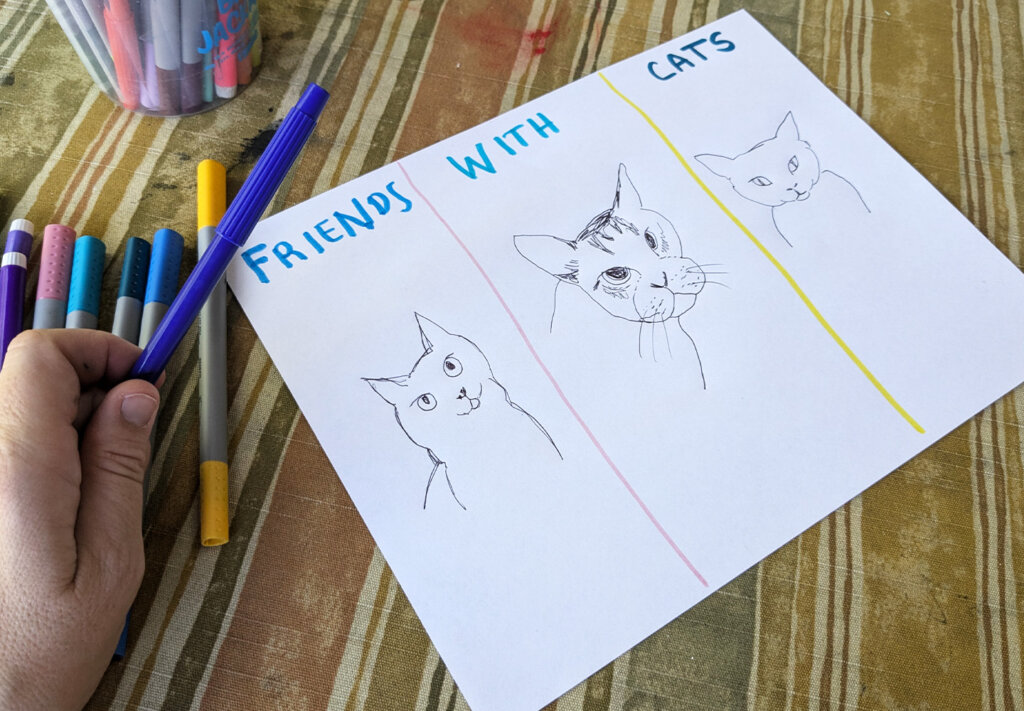
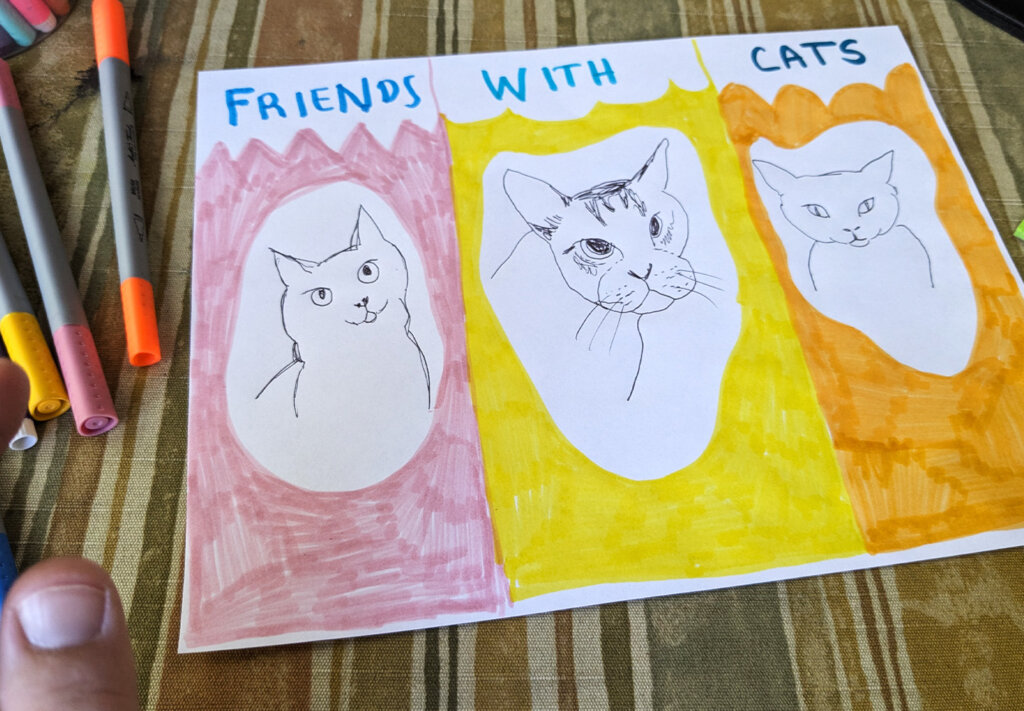
In this activity, students will be working in small groups to discover their “common ground”, or something that they all have in common. For example, teams may discover they all have a cat or birthdays over the summer. Each team will then work together to create a flag to represent their common element.
- Divide students into groups of 3-4.
- Direct students to work together to discover any common ground that they have. Provide students with a few general examples of common ground, as needed.
- Once a group has discovered something that all ground members have in common, they should work together to design their “Common Ground Flag” using blank paper and basic art supplies. The flag should represent whatever the group discovered they have in common.
- As groups finish, allow students to circulate and view other groups’ Common Ground Flags.
- As time allows, each group can show their flag and briefly present about the common ground that they discovered with their group.
- Use some or all of the following questions to close the activity:
- How did your team discover your common ground? Could you use this same technique in a networking situation? Why or why not?
- Why do you think finding common ground can be so valuable while networking?
- Do you think it is possible to find common ground with anyone in the world? Why or why not?
- What factors might make it easier to find common ground with someone (age, gender, cultural background, etc.)? What factors might make it harder? Why?